



What is the thickness of the machine carpet?

The thickness of a machine-made carpet is one of the most important factors to consider when making a purchase. While the design and beauty of a carpet might be the first things to catch your eye, have you ever considered how its thickness affects comfort, functionality, and quality? Choosing the right thickness can significantly impact your experience with the carpet; therefore, it is wise to familiarize yourself with the characteristics of various machine-made carpets before buying.
To select the ideal carpet thickness, you must consider the intended space and how the carpet will be used. For instance, a carpet chosen for a low-traffic living area is not necessarily the best choice for a bedroom, a formal reception room, or a child's room. In some spaces, elegance and aesthetic appeal are paramount, whereas in others, softness and thickness take priority.
Machine-made carpets vary in thickness depending on their weave type, reed count, density, and pile height. These products are typically categorized into groups such as 700, 1000, 1200, and 1500 reed counts. Beyond differences in design and weave intricacy, each of these types differs in terms of thickness and practical application.
In this article from Dariush Carpet Magazine, we examine the thickness of various machine-made carpets, explain the differences between thick and thin carpets, and discuss which type is best suited for specific areas of the home.
Which machine-made carpet is the thinnest?
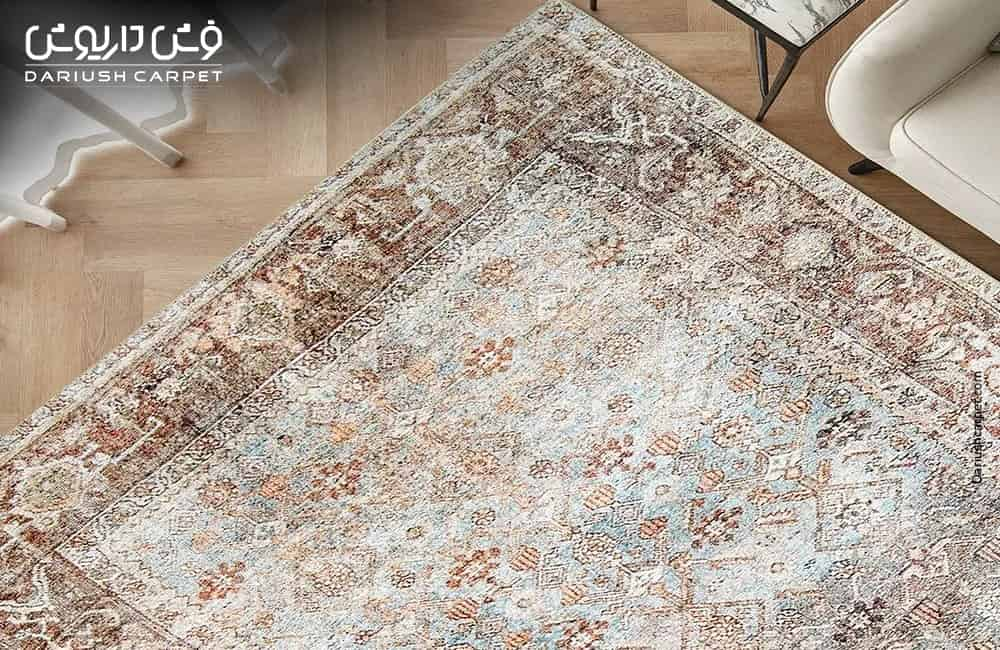
To identify the thinnest machine-made carpet, one must first look at the machine-made gelim (flat-weave carpet). Structurally, a machine-made gelim differs from a standard carpet; unlike pile carpets, it lacks a layer of raised, fuzzy yarn. This characteristic results in a very low profile while still offering a highly practical product.
However, the gelim's thinness does not mean it is suitable for every area of the home. Because they lack a pile, these carpets generally do not offer the softness and comfort of pile carpets. Consequently, if you are looking for a carpet for sitting on for extended periods, a machine-made gelim is likely not the best choice.
Nevertheless, machine-made gelims are excellent for kitchens, entryways, and areas where doormats are used. Their flat, pile-free structure makes them easy to clean and prevents dust from accumulating within the fibers. This type of weave is also practical for environments subject to heavy foot traffic or higher levels of dirt. Of course, their resistance to moisture, sunlight, and wear depends on the fiber material and manufacturing quality.
Another feature of the machine-made gelim is its light weight. This is a significant advantage when moving, vacuuming, or washing the carpet. However, this lightness can cause the gelim to slide easily on certain surfaces. To prevent this, you can use a non-slip underlay or carpet gripper beneath it. After machine-made gelims (flat-weave carpets), the 1500-reed carpet is considered one of the thinnest types of machine-made carpets. Due to their intricate weave and high knot count, these carpets are typically manufactured with a lower pile height. Consequently, compared to many carpets with lower reed counts, they possess a more delicate appearance and reduced thickness.
What is the difference between the thinnest and thickest machine-made carpets?
A common question when purchasing a carpet is which machine-made model is thicker and which is thinner. The answer depends largely on the reed count, fiber type, pile height, and weaving structure.
Generally, as the reed count increases, the weave becomes finer and denser. In many models, this is accompanied by a reduction in pile yarn height, resulting in a thinner carpet. Conversely, a carpet with a lower reed count typically features a higher pile and greater thickness.
The 1500-reed carpet falls into the category of fine, hand-woven-style carpets, whereas the 700-reed carpet is thicker. Note that the final thickness of a carpet depends on factors such as fiber material, pile height, weaving density, and manufacturing method. Therefore, it is advisable to review the product's technical specifications when making a selection or purchase.
What is the thickness of a 1500-reed carpet, and for which spaces is it suitable?
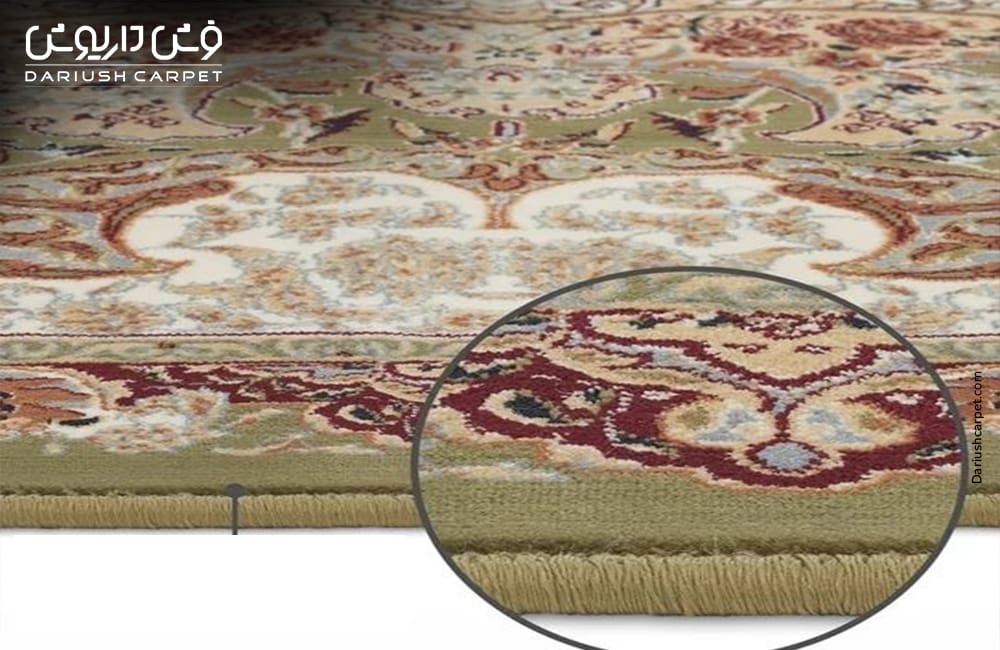
The 1500-reed carpet is currently considered the thinnest machine-made carpet available. Its thickness is approximately 6 millimeters, though this can vary depending on the specific model and manufacturer.
The primary reason for this product's thinness is the high level of intricacy in its weave. It features a higher number of knots per unit of width compared to carpets with lower reed counts. The designs are more detailed, resulting in patterns that appear finer and more precise.
To achieve such a dense weave, the pile height is typically kept lower than that of other products. The result is a carpet with a refined appearance, intricate patterns, and relatively low thickness. These characteristics make the 1500-reed carpet particularly appealing to those seeking a luxurious look that rivals the elegance of hand-woven carpets.
Heat-set acrylic fibers are used in the weaving process, contributing to the carpet's luster. However, the final aesthetic appeal depends on more than just the reed count; fiber quality and density also play key roles.
Where in the home is a 1500-reed carpet best suited?
Despite its beauty, choosing this carpet for every area of the home is not necessarily the best decision. Due to their delicate structure, these carpets are usually best suited for spaces where the visual impact of the décor is paramount. In many homes, the formal living room (or reception area) is where guests are entertained; consequently, the intricacy of the design and the beauty of the carpet can significantly enhance the room's overall appearance.
It is worth noting that the thinness of a 1500-reed carpet does not imply it is fragile or easily damaged. A carpet's true durability depends on fiber type, weave quality, density, and maintenance. However, with shorter-pile carpets, one must be mindful of concentrated pressure from furniture legs and other heavy objects, as this can affect the carpet's surface.
What is the thickness of a 1200-reed carpet?
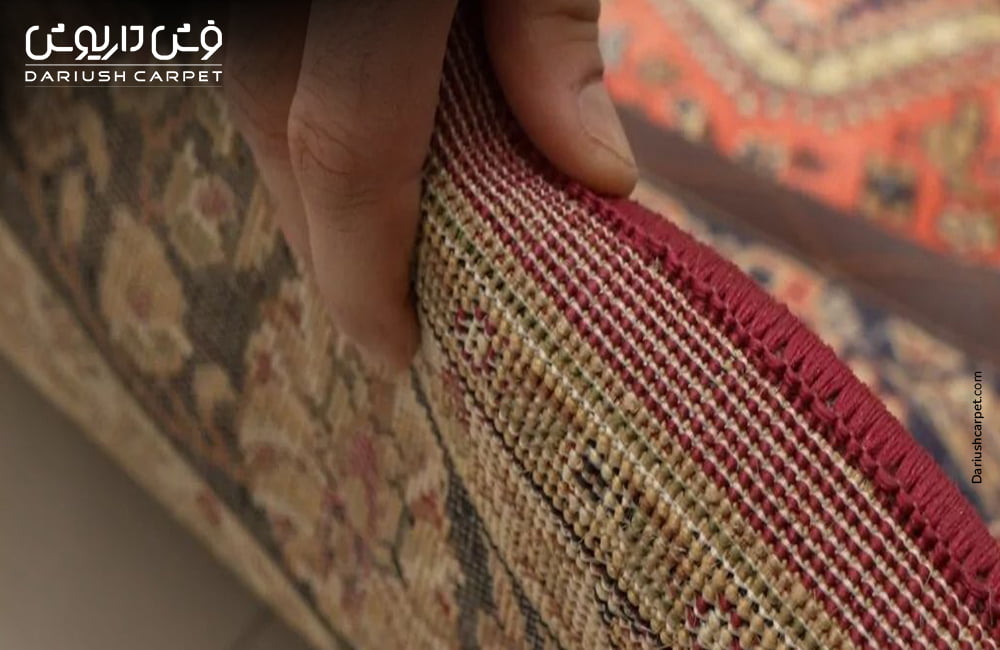
The 1200-reed carpet is considered a fine, hand-woven-style product, typically measuring around 7 to 8 millimeters in thickness. While thicker than the 1500-reed variety, it still maintains a delicate appearance and a dense weave.
The high reed count allows the carpet's patterns to be displayed with greater detail. These carpets are an attractive choice for those seeking a blend of elegance and a formal aesthetic in their home décor. A key advantage of 1200-reed carpets is the wide variety of available designs and colors; they are well-suited for classic and luxurious interiors, allowing one to select a design that complements the color of the furniture and other furnishings.
For which spaces is a 1200-reed carpet suitable?
A 1200-reed carpet is an excellent choice for reception areas and spaces where visual appeal is a priority. The dense weave and intricate patterns of this carpet lend a striking look to the room.
In terms of price, 1200-reed carpets are generally more affordable than many 1500-reed models; however, keep in mind that the final price depends on factors such as fiber material, density, and the manufacturer. If you desire a finely detailed carpet but have a limited budget for 1500-reed products, considering a 1200-reed carpet is a logical choice.
How thick is the thickest machine-made carpet?
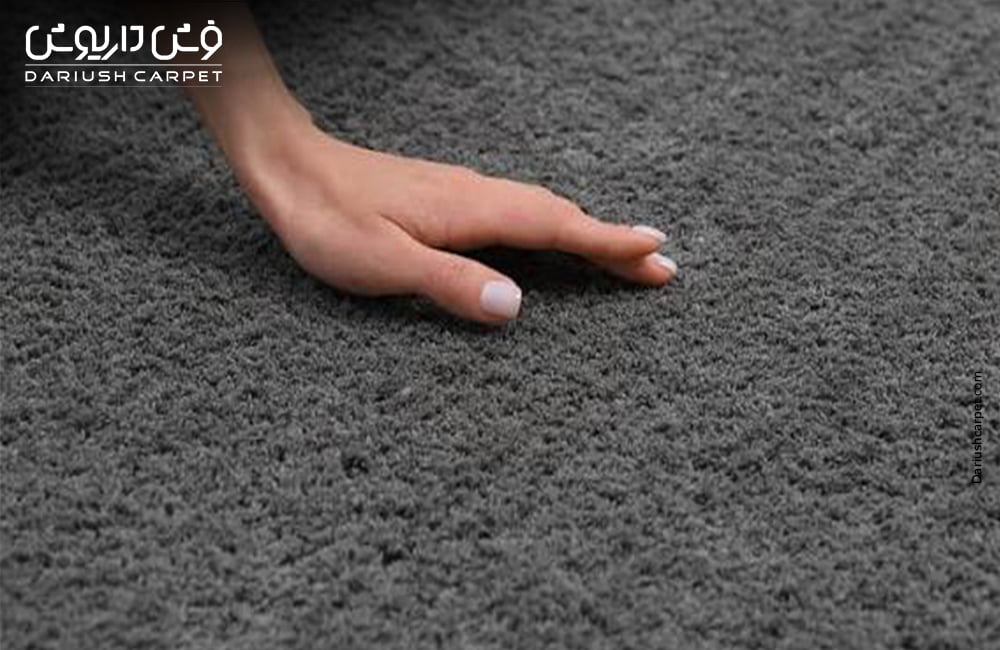
If you are looking for a carpet with a higher pile and a soft texture, it is worth taking a closer look at 700-reed products. These carpets are typically thicker than 1200-reed and 1500-reed models.
Should you buy a thick or thin carpet? Which one offers more softness and comfort for your home?
One reason people prefer thick carpets is the enhanced sense of softness and comfort when walking or sitting on them. A higher pile can help cushion the impact of footsteps and reduce direct contact with the hard floor surface.
This feature is particularly important in areas where family members spend a lot of time on the floor. A higher-pile carpet may provide greater comfort in living rooms or bedrooms.
However, greater thickness does not always equate to higher quality or superior durability. Factors such as fiber quality, density, and maintenance practices play a significant role in a carpet's lifespan and performance. Additionally, thicker carpets may require more thorough cleaning, as dust and fine particles tend to get trapped more easily within the fibers.
Therefore, when choosing a thick carpet, in addition to its soft feel, you should also consider the ease of vacuuming, the level of foot traffic, the fiber material, and the conditions under which the carpet will be used.
For which spaces are thicker carpets suitable?
Thicker carpets are an excellent choice for areas where softness is a priority. Below, we explore some common uses for these carpets to help you make a more informed decision for each part of your home.
1. Bedroom
Thicker carpets are ideal for bedroom flooring. The sensation of softness underfoot—especially first thing in the morning—creates a more pleasant experience.
"700-reed" (700-shaneh) carpets can be suitable for this space, depending on the weave type and pile height. When choosing, pay close attention to the dimensions of the room and bed, the carpet's placement, and the level of foot traffic; this ensures the flooring offers both comfort and aesthetic harmony with the décor.
2. Children's Room
Comfort and safety are paramount in a child's room. A carpet with a soft surface cushions the child against hard flooring and creates a comfortable space for playing on the floor.
A thicker carpet with an appropriate pile height is a better choice for a child's room. However, thickness alone does not guarantee safety; it is best to select a carpet that grips the floor well (to prevent slipping), is easy to clean, and is made from high-quality fibers.
The material of the fibers is a crucial factor. 700-reed carpets can be manufactured using various materials, such as acrylic or polyester. Fiber quality and the manufacturing process significantly influence factors like shedding, durability, and ease of cleaning.
3. Living Areas and Family Spaces
If family members prefer to spend most of their time in the living room, comfort takes precedence over the intricacy of the design. In such cases, a carpet with a suitable pile height is an excellent choice.
Do thicker carpets require more cleaning?
An important factor when choosing thicker carpets is considering their maintenance requirements. With some high-pile products, dust particles can become trapped within the fibers; therefore, regular vacuuming and adherence to care instructions are crucial.
Depending on the weave type and pile height, "700-reed" carpets may require more meticulous cleaning compared to some higher-density products. However, dust accumulation is not determined solely by the reed count; fiber material, pile height, and environmental conditions also play a role.
Yarn type, raw material quality, and the manufacturing process can all influence the extent of shedding. Consequently, if durability and ease of cleaning are priorities for you, it is best to carefully examine the carpet's technical specifications before purchasing, rather than basing your decision solely on thickness.
Comparison Table of Machine-Made Carpet Thicknesses
Let us briefly examine the approximate thickness of these products. The table below helps compare the differences between thin and thick carpets:
- 1500-reed carpet: approx. 6 mm thick; delicate and finely woven.
- 1200-reed carpet: approx. 7–8 mm thick; delicate and suitable for formal settings.
- 700-reed carpet: approx. 10–11 mm thick; relatively thick and suitable for daily use.
Carpets with lower thickness and a hand-woven look—such as the 1200- and 1500-reed varieties—can be excellent choices. However, if thickness and a soft feel are your priorities, you should consider 700-reed products.
What is the ideal thickness for machine-made pictorial carpets?
Machine-made pictorial carpets are popular decorative items that can add a distinctive touch to a home's interior. For these products, the fineness of the weave and the clarity of detail are paramount; the primary purpose of purchasing a pictorial carpet is to showcase the beauty of the design and use it as a decorative piece.
Why are thinner carpets suitable for pictorial carpets?
Softness is generally not a key factor when selecting a pictorial carpet, as the item is mounted on the wall and serves a decorative purpose. Instead, factors such as the fineness of the weave, the clarity of the design, and the overall visual appeal are far more important.
For this reason, 1200- and 1500-reed pictorial carpets are excellent choices. Thanks to their fine weave, they allow for greater detail and often offer a more refined appearance.
What is the best thickness for a machine-made carpet in your home?
The answer depends on your specific needs, the intended space, and your expectations for the carpet. There is no single "best" thickness for every home; a carpet suitable for a formal reception room might not be the ideal choice for a child's room or a casual living area.
If visual appeal, intricate patterns, and detailed designs are priorities for you, 1200-reed and 1500-reed carpets are excellent options. These models typically feature a finer weave and are outstanding choices for spaces like reception rooms, where the aesthetic impact of the décor is paramount.
Conclusion
To wrap up, let’s address the fundamental question: how do you choose the right carpet thickness?
Carpet thickness is a crucial factor when purchasing a machine-made carpet, as it influences comfort, appearance, and suitability for your living space. However, thickness alone should not dictate your choice; you must also consider fiber material, weave quality, reed count, density, and the product's intended use.
Fine carpets with intricate patterns—such as 1200-reed and 1500-reed models—can be excellent choices. If you prefer greater thickness and a higher pile, a 700-reed carpet is worth considering.
Before buying, define your needs and ask the seller about the actual thickness, fiber material, and maintenance requirements. If you have any questions about selecting the right carpet, feel free to call 09139992039 for a free consultation.