



When and how to clean your carpet? A complete guide for families
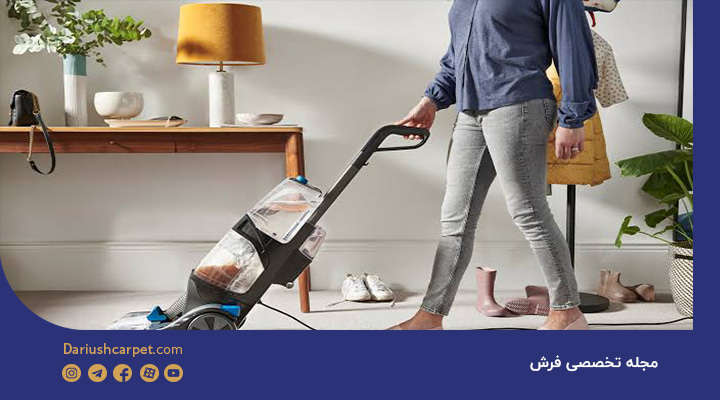
A clean, attractive carpet directly contributes to a sense of tranquility in the home. Carpets are key elements of interior décor; beyond enhancing the home's aesthetic, they help reduce noise, increase walking comfort, and prevent slipping. When a carpet is clean, its pattern stands out more vividly, and the entire room appears tidier.
Daily use causes dust and liquid spills to accumulate within the carpet fibers. If this debris is not removed promptly, the carpet may lose its luster, and the fibers themselves could be damaged. Therefore, knowing the proper methods for cleaning carpets is essential.
In this article from the Dariush Carpet Magazine, we will explore the correct techniques for cleaning machine-made carpets, stain removal, tips on using steam cleaners, and substances that can harm the carpet. Please stay with us until the end.
Regular Vacuuming
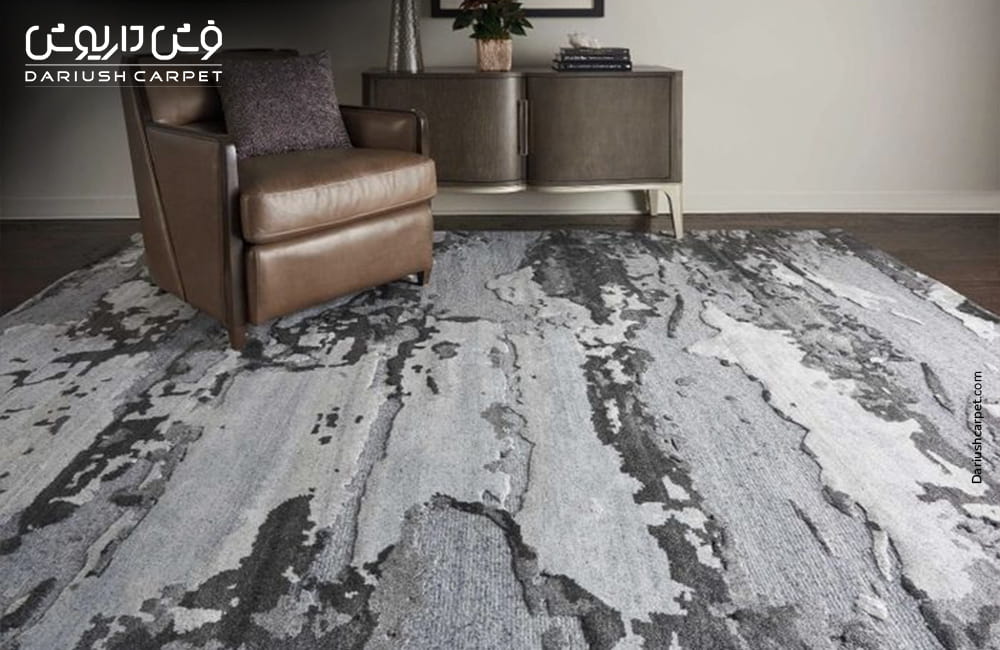
The simplest way to prevent dirt accumulation is regular vacuuming. Dust and fine particles settle on the carpet throughout the day and can penetrate deep into the fibers due to foot traffic.
It is recommended to vacuum carpets in various areas of the home at least once a week.
When cleaning high-pile carpets, use the appropriate vacuum attachment and, if possible, adjust the rotating brush according to the manufacturer's instructions. Using the wrong type of brush can damage the fibers.
Deep Cleaning the Carpet
At times, grease, food residue, and fine dirt particles can cause unpleasant odors that are not easily eliminated by routine cleaning. In such situations, deep cleaning the carpet can help remove residual dirt and maintain its appearance.
You can use a specialized carpet cleaner to treat localized stains and dirt. Thorough, proper cleaning helps reduce accumulated grease and grime; however, using an unsuitable cleaning agent or leaving moisture in the carpet can have the opposite effect.
Removing Stains from Carpets
Carpet staining is a common household issue. Liquids can quickly alter a carpet's appearance. Sometimes, food grease or dirt from foot traffic settles into the carpet, making it harder to remove over time.
A crucial aspect of stain removal is acting quickly and using a method appropriate for the specific type of stain. The longer a stain remains, the more likely it is to penetrate deep into the fibers. Of course, the difficulty of removal also depends on the substance, the fiber material, and environmental conditions.
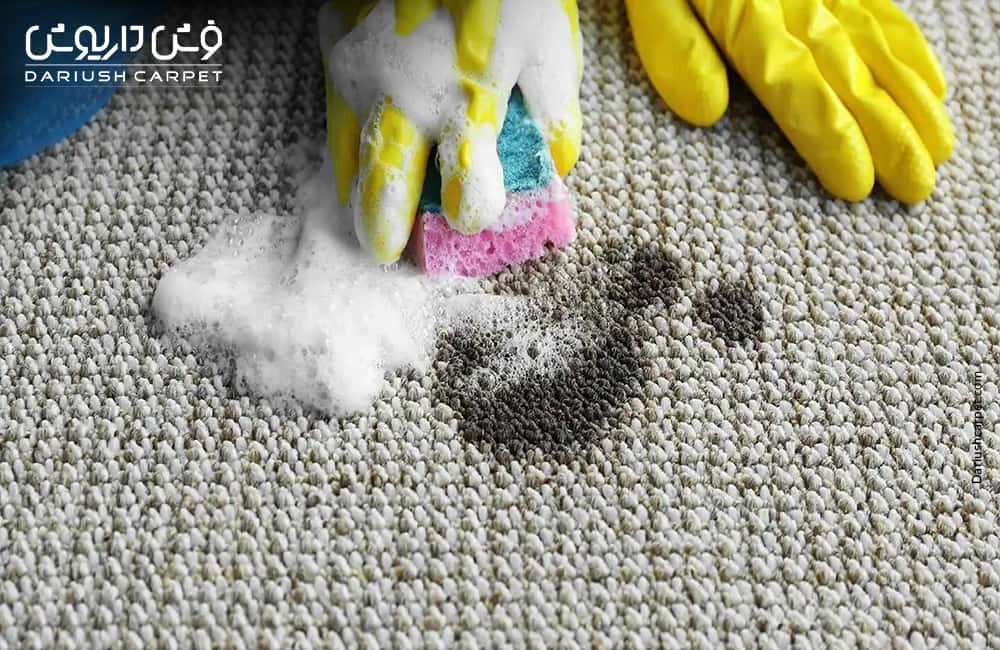
If liquid spills on the carpet, first gently blot up excess moisture with a clean white cloth. Avoid rubbing the cloth vigorously, as this can drive the stain deeper into the carpet and damage the fibers.
Select a cleaning solution suitable for the specific stain and carpet material. It is best to avoid using excessive water to prevent moisture from seeping into the carpet backing and to keep drying times short.
Using a Steam Cleaner to Clean Carpets and Restore Flattened Fibers
One issue encountered after moving furniture is the indentation left where heavy items once stood. Prolonged pressure can compress the carpet pile, leaving a visible mark on the surface even after the furniture is moved.
In some cases, steam or heat can be used to remedy this, though the method is not suitable for all carpets and requires caution. Before proceeding, ensure the carpet is not sensitive to heat or moisture. Then, maintaining an appropriate distance and avoiding prolonged exposure of a single spot to the steam, gently examine the indentation.
One home remedy involves placing an ice cube on the indentation to help the carpet pile spring back; as the ice melts, the absorbed moisture can help soften the fibers.
Removing dirt and dust before washing the carpet
A crucial step in cleaning a carpet is removing surface dust and dirt before applying water or detergents. For optimal results, first remove lightweight items from the carpet and vacuum the accessible areas. Then, using the appropriate attachment, attend to corners and sections that are often overlooked.
What should you avoid using to clean machine-made carpets?
When cleaning a carpet, choosing the right method is just as important as the cleaning process itself. Using unsuitable detergents, harsh brushes, excessive water, or high heat can lead to discoloration, fiber damage, and a shortened lifespan for the carpet.
Abrasive Cleaners and Rough Brushes
Certain abrasive cleaners and harsh brushes can damage fiber surfaces, disrupt the carpet pile, and—in some cases—alter the appearance or damage the weave. Using an unsuitable brush can cause particular problems for carpets with delicate fibers. To clean a carpet, it is best to use a soft cloth, an appropriate brush, and a detergent specifically formulated for that fiber type.
Prolonged Exposure to Moisture
Water alone is not always the cause of carpet damage; however, excessive moisture penetration and failure to dry completely can lead to issues. Residual moisture trapped within the fibers creates an ideal environment for mold growth and unpleasant odors.
When spot-cleaning, use a controlled amount of water to avoid problems, and ensure conditions allow for the carpet to dry thoroughly after cleaning. Proper ventilation and airflow can help reduce drying time. Do not place a wet carpet on a surface that traps moisture until it is completely dry.
Bleach and Harsh Chemicals
Bleach and certain harsh chemicals can alter the carpet's color or damage the fiber structure and backing. Using these substances to remove stubborn stains—without considering the carpet's fiber type—can result in permanent changes to the product's appearance.
Laundry Powder and Unsuitable Detergents
Standard laundry powder is not necessarily designed for washing carpets. Using it can leave detergent residue trapped within the fibers, which—if not rinsed thoroughly—may attract dust and dirt.
You should not use laundry powder or other detergents on carpets with delicate fibers without first checking the product's care instructions. Some of these products can damage the texture, color, or softness of the fibers.
The best way to prevent potential damage is to use a detergent compatible with the specific carpet fiber. If you are unsure about the fiber type or the proper cleaning method, consulting a professional is a safer choice.
How Often Should Carpets Be Cleaned?
Not all carpets are alike in terms of fiber material, weave, stain resistance, and maintenance requirements. Consequently, there is no single cleaning schedule that applies to every carpet.
Factors such as foot traffic, the presence of young children or pets, and exposure to sunlight influence how often cleaning is needed. Below, we examine the characteristics of several common carpet fiber types.
Nylon Carpets: Durable and Suitable for High-Traffic Areas
Nylon fibers are used in carpet manufacturing due to their excellent abrasion resistance and ability to maintain their appearance under daily use. With proper care, they are an excellent choice for high-traffic areas.
A nylon carpet's stain resistance depends on the specific fiber type; however, prompt stain removal and regular vacuuming remain essential to maintaining the carpet's appearance. Regarding cleaning, it is best to follow the manufacturer's instructions and use a suitable detergent if deep cleaning is required.
Polyester Carpets: A Choice with Good Stain-Resistance
Polyester carpets are another popular option in the machine-made carpet market, attracting buyers due to their fiber characteristics and product variety. These fibers typically have low moisture absorption, and common stains can often be removed from the surface using appropriate cleaning methods.
Stain resistance depends on the type of spill and the specific product features. Oily stains may require extra care, and using the wrong cleaning agent can leave a lingering mark on the carpet.
Cotton Carpets
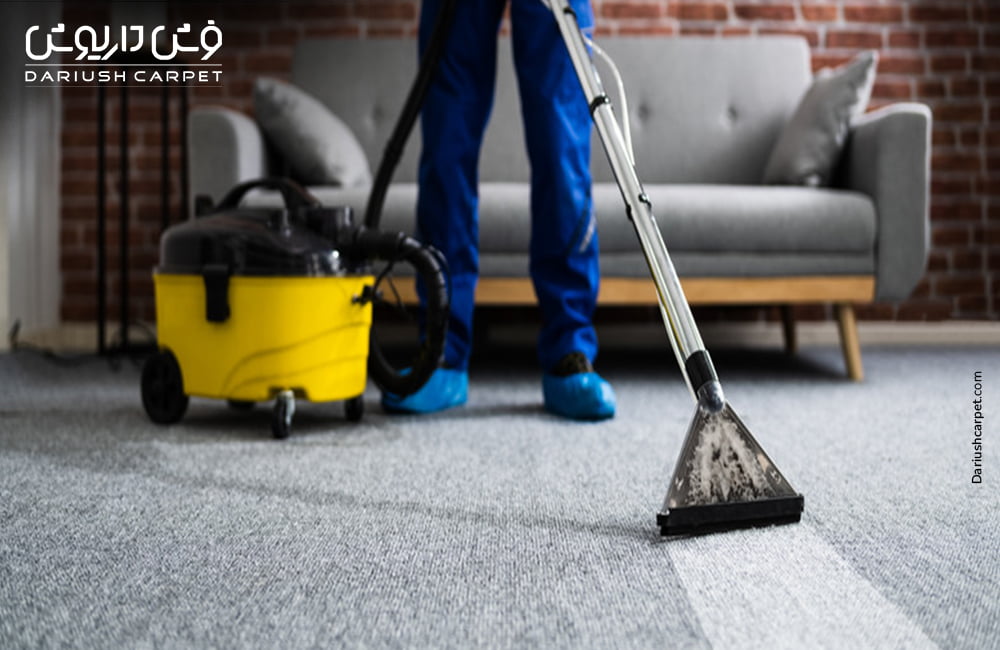
Cotton fibers are used in certain floor coverings for their softness. They provide a comfortable feel underfoot;
however, these products require more care regarding stains and potential deformation compared to carpets made from synthetic fibers. If softness and comfort are high priorities for you, consider cotton carpets or blends of cotton and synthetic fibers.
Acrylic Carpets
Acrylic carpets are a well-known option in the machine-made carpet market, offering an appearance similar to wool carpets. Acrylic fibers differ from certain natural fibers in terms of moisture absorption, durability, and maintenance requirements.
To preserve the beauty of an acrylic carpet, regular vacuuming, prompt stain removal, and the use of suitable cleaning agents are essential. If you are looking for a carpet that resembles wool but offers a wider range of patterns and background colors, an acrylic carpet is an excellent choice.
Practical Tips for Extending Carpet Life and Preserving Beauty
Following a few simple steps in your cleaning routine can help keep your carpet looking good for longer. - Establish a regular vacuuming routine: Consistent cleaning prevents dust and dirt from penetrating deep into the fibers.
- Treat stains promptly: To prevent stains from setting, blot up spills with a clean cloth immediately and then apply the appropriate stain-removal method.
- Use the right cleaning agent: Not every cleaner is suitable for every product; you must consider the specific fiber type of the carpet.
- Avoid excessive moisture: After spot cleaning or washing, ensure conditions allow the carpet to dry completely.
- Pay attention to furniture legs: Using suitable protectors under heavy furniture legs can reduce direct pressure on the fibers and prevent deep indentations.
- Avoid prolonged exposure to intense heat and light: Unfavorable environmental conditions can lead to discoloration or damage to certain fibers over time.
Conclusion
To conclude, we can answer the fundamental question: how do we keep our carpets clean and in good condition?
Proper carpet cleaning is essential for maintaining home décor aesthetics, extending the product's lifespan, and minimizing dust accumulation. Since carpets can trap various particles within their fibers, regular cleaning is a crucial part of maintaining a hygienic environment.
Regular vacuuming should be a priority; stains should be treated immediately, and if deep cleaning is required, use a detergent compatible with the carpet's fiber type.
When cleaning the carpet surface, avoid using unsuitable chemicals, harsh brushes, excessive water, or uncontrolled heat to prevent potential damage. The maintenance methods for nylon, polyester, cotton, and acrylic rugs differ from one another. Therefore, before choosing a cleaning method, please check the fiber type and the product's care instructions.
If you have any questions or uncertainties regarding the selection of a suitable machine-made rug, you can call 09139992039 to place an order.