



What is wrong with your carpet?
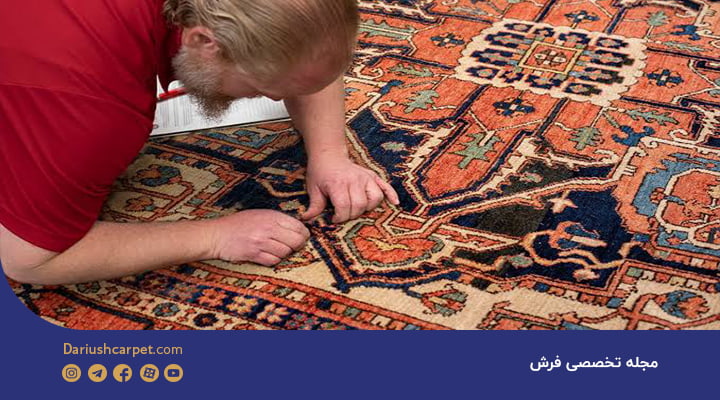
Machine-made carpets are a fundamental element of interior decor in Iranian homes. Given their significant standing in both domestic and international markets, the quality and aesthetic appeal of these products are of great importance. Despite advancements in production technology and the use of modern weaving machinery, the potential for defects to arise during various stages of the manufacturing process remains. Such defects can range from color variations and textural irregularities to issues involving the pile yarn, weft, warp, or the carpet’s design pattern.
Familiarity with common defects in machine-made carpets enables buyers to examine products more closely before making a purchase, helping them avoid paying for a carpet that fails to meet desired quality standards. It should be noted, however, that not all defects carry the same weight. Some flaws merely affect the carpet's appearance and can be corrected, while others may compromise the structural quality, durability, aesthetic value, and overall worth of the carpet.
In this article from the Dariush Carpet Magazine, we will examine the most significant defects found in machine-made carpets, explain their underlying causes, and address which issues can be rectified versus those that might severely diminish the carpet's quality.
Why is it important to understand machine-made carpet defects before purchasing?
Carpets are a key component of interior design, and selecting a high-quality piece can profoundly enhance the beauty of a home’s living space. Consequently, when shopping, many families seek products that offer not only an attractive design but also superior weaving quality.
The market for machine-made carpets is highly diverse, with manufacturers offering products in a wide array of designs, densities, and fiber types. It is important to remember that when selecting and purchasing a floor covering, one should look beyond the mere surface appearance of the carpet. Examining the back of the carpet, touching its surface, checking the uniformity of the pile, and observing the harmony of the design and color help in better identifying potential issues.
What are the most significant defects in machine-made carpets?
Defects in machine-made carpets can arise at various stages of the production process. Recognizing these issues helps buyers distinguish between a minor cosmetic flaw and a fundamental structural problem. Below, we examine 15 common defects found in machine-made carpets, exploring their causes, how to identify them, and whether they can be corrected.
1. Color Inconsistency (Two-Toned Appearance)
A two-toned appearance is a cosmetic defect that can compromise the aesthetic appeal and color harmony of a machine-made carpet. This occurs when a section of the carpet is woven using yarn that differs in color from the primary yarn. Such discrepancies can usually be detected by inspecting the carpet's surface under adequate lighting, though sometimes the color difference between the yarns is very subtle.
2. Variation in Carpet Texture
Texture variation is another defect that may occur during production. It happens when a portion of the carpet is woven using a different type of yarn than that used elsewhere; consequently, that section may differ from the rest of the carpet in terms of appearance, softness, or physical characteristics.
3. Reduced Pile Height (Short Pile)
"Short pile" refers to a condition where the height of the pile yarn—in a specific section or across the entire surface—is lower than expected. This can make the carpet appear thinner than a comparable model with the same reed count (density) and pile density. The thickness of a machine-made carpet depends on several factors, including pile height, fiber material, and the weaving structure. Therefore, a thinner carpet does not necessarily indicate the presence of a defect.
4. Creation of an Uneven Surface in Machine-Made Carpets
An uneven surface is another issue that can affect the appearance and quality of a machine-made carpet. In a high-quality carpet, the pile surface should be as uniform as possible, with no abnormal height variations visible across different sections.
5. Incomplete Cutting of the Pile Yarn
Incomplete cutting of the pile yarn is a defect that can lead to an uneven surface on a machine-made carpet. During the production process, the pile yarn must be cut in such a way that its height remains uniform across the carpet's surface. If the cutting blade has become dull or the cutting mechanism is not properly calibrated, some yarns may not be cut completely or evenly.
6. "Double Weft" Defect in Machine-Made Carpets
A "double weft" is a technical defect in machine-made carpets that occurs within the weft-insertion structure. In this scenario, rather than the yarns being interlaced according to the standard weaving structure, two weft yarns remain in a section of the weave or are positioned incorrectly. To detect a double weft, it is crucial to examine the back of the carpet. The reverse side of a machine-made carpet should exhibit proper order and uniformity; therefore, the presence of extra yarn or unusual irregularities is a sign of this issue.
7. Weaving Deviations from the Design (Pattern Mismatch)
Weaving deviations from the design—or "weaving off-pattern"—represent a significant defect in machine-made carpets, directly affecting the aesthetic appeal and harmony of the design. Machine-made carpets are produced according to a specific pattern, managed by the machine's control systems. Any disruption in the transfer or execution of this pattern can result in a design that differs from the original intended pattern.
8. Damage to the Weaving Reed
The reed is a critical component in the machine-made carpet weaving process, and its condition directly influences the quality of the weave. If the reed sustains damage—such as breakage, wear, or bent/broken teeth—the resulting carpet may suffer from irregularities in its weave structure.
Damage to the reed can negatively impact the positioning of the weaving elements and the overall uniformity of the carpet's structure. In some cases, the final product may not meet the expected specifications regarding the regularity of its weave. For instance, irregularities in the weave structure can result in the carpet’s appearance failing to align with the anticipated characteristics in terms of reed (shaneh) and density.
9. Pile Yarn Breakage in Machine-Made Carpets
Pile yarn breakage is a visible defect in machine-made carpets. The pile yarn consists of the fibers that form the visible surface of the carpet, playing a crucial role in its appearance, softness, and the visual impact of the design. If this yarn breaks in any part of the carpet—or fails to be correctly integrated into the weave structure—certain areas of the carpet surface may appear bare or sparse.
Pile yarn breakage can result from production issues, damage to the yarn itself, or disruptions during the weaving process. The severity of this issue depends on the number of damaged yarns and their specific location.
10. Pile Singeing (or "Burned" Pile) in Machine-Made Carpets
Pile singeing is another defect that can cause a noticeable change in the appearance and texture of the carpet surface. In such cases, parts of the pile yarn may feel coarse or rough, or appear distinct from the rest of the carpet; consequently, the affected area can take on an appearance resembling a burn.
11. Warp Yarn Breakage in Machine-Made Carpets
The warp yarn is a fundamental component of a machine-made carpet’s structure, playing a vital role in the formation and overall strength of the weave. A break in this yarn can compromise the carpet's structural integrity; if left unaddressed during production, it may result in a section of the carpet emerging from the loom with an uneven weave.
12. Other Irregularities in the Appearance and Structure of Machine-Made Carpets
Beyond the defects already discussed, other types of irregularities may occasionally appear in some products. These issues can include unusual variations in the carpet's appearance, inconsistencies on the back of the carpet, noticeable differences in pile height, or flaws in the execution of the design.
It should be noted that the presence of these issues does not necessarily imply a fundamental or critical defect. For instance, differences in the perceived softness or thickness of two carpets may stem from their technical specifications or production methods. Therefore, to identify a defect, one must compare the carpet against a product with similar technical specifications.
Which defects in machine-made carpets can be corrected?
A key question when examining defects in machine-made carpets is whether all issues can be resolved, or if some result in a permanent reduction in the product's quality. The answer depends on the nature of the defect, the severity of the damage, and the stage at which the issue is identified.
Some defects can be corrected during the final stages of production, prior to the product reaching the market. For example, an incomplete trim of the pile yarn can often be resolved through proper finishing (shearing). In some cases, it is also possible to remove excess yarn or perform limited repairs on damaged areas.
Conversely, issues that affect the fundamental weave structure, the alignment of the design, or the overall durability of the carpet may not be easily rectifiable. Alterations in the texture resulting from the use of different fibers, extensive errors in the pattern, or significant damage to the warp yarns are issues that require more careful evaluation.
It is important to note that the fact a defect *can* be corrected does not guarantee that the carpet will return to its original, intended quality. Sometimes, repairs merely improve the product's appearance, while discrepancies in texture or structural integrity may persist.
How can you identify defects in machine-made carpets when purchasing?
To ensure the purchase of a high-quality machine-made carpet, it is advisable to inspect several parts of the product before making a final decision. Relying solely on the appearance of the carpet's surface is insufficient; one should also examine the back of the carpet and the uniformity of the pile.
Inspect the surface of the carpet under adequate lighting.
Proper lighting will help you better identify color discrepancies, pattern inconsistencies, and bare spots on the surface of the carpet.
Check the uniformity of the pile.
By viewing the carpet from various angles and touching its surface, you can detect noticeable variations in pile height or unusual roughness in certain areas.
Examine the back of the carpet.
The reverse side provides important insights into the consistency of the weave. The presence of loose threads, irregular knots, or significant discrepancies between different sections may warrant further investigation.
Carefully compare the carpet’s design and color.
Errors such as misaligned pattern repetitions, missing elements of the design, or abnormal color variations may indicate issues that occurred during the production process.
Consider the carpet’s technical specifications.
Factors such as reed count (*shaneh*), density, fiber material, pile height, and other stated characteristics should be taken into account when assessing quality. Comparing carpets with different specifications can lead to a misleading assessment of their quality.
Inquire about the possibility of rectification if a defect is found.
Should you discover a flaw, ask the seller to clearly explain the nature of the issue, its significance, and the procedures for addressing it.
Concluding Remarks
To conclude, we address the fundamental question: what should one look for when purchasing a machine-made carpet? Despite advancements in production equipment and technology, machine-made carpets can occasionally develop defects during the weaving or finishing stages. These may include color inconsistency, structural irregularities, insufficient pile density, an uneven surface, incomplete pile trimming, issues with the weft, deviations from the intended design, reed-related faults, or the formation of unwanted loops. Being aware of these potential issues will help the buyer make a more informed and precise selection. Not all of these flaws carry the same weight; some issues can be resolved through professional repair, while others may significantly compromise the carpet’s quality, durability, or aesthetic appeal.
Choosing a reputable retailer—one that provides transparent product specifications and clearly outlines the procedure for addressing potential defects—can help minimize the risk of a poor purchase. By offering guidance throughout the buying process and allowing for returns in accordance with stated terms, Farsh-e Dariush helps customers make informed decisions.