



What carpet color will inspire your home?

Selecting the colors for your carpet and furniture is the most critical stage in interior design, as these two elements significantly influence the appearance and harmony of your home. The importance of a carpet is undeniable; beyond its daily utility, it occupies a substantial portion of the home's visual space and can define the overall style of the interior arrangement.
A carpet is more than just a floor covering; it plays a role that extends far beyond a simple surface material. For this reason, carpet designers strive to create unique pieces through their choice of patterns, color palettes, and intricate details—often imbuing the product with a distinct identity, much like an artist’s signature.
When shopping, you may have asked yourself: What color carpet is best for my home? Are light or dark carpets better for a small living room? What furniture colors pair well with a *laki* (deep red/crimson) carpet? Does a gray carpet suit a warm-toned interior? And if the furniture and curtains have already been chosen, how should the carpet color be determined?
In this article from the Dariush Carpet magazine, we explore the principles of selecting carpet colors for various interior design styles, helping you make an informed choice based on your personal taste, the specific conditions of your home, and your existing furnishings.
Which Carpet Color Best Suits Your Home’s Interior?
When choosing the right carpet color, consider the overall space and the style of your interior design. A color that looks stunning in a large living room with light-colored furniture might produce a completely different effect in a smaller room with limited natural light. As you select a carpet, visualize how it will appear alongside the other elements in your home. Wall colors, furniture fabrics, curtain patterns, the amount of natural light, and even the daily movement of family members—all play a role in the final selection.
Maintaining balance in interior decoration is of great importance. If most items feature warm colors or intricate details, the space will appear chaotic. Conversely, an overreliance on neutral tones and simple designs can make the environment feel monotonous; making the right choices helps strike a balance between these two extremes.
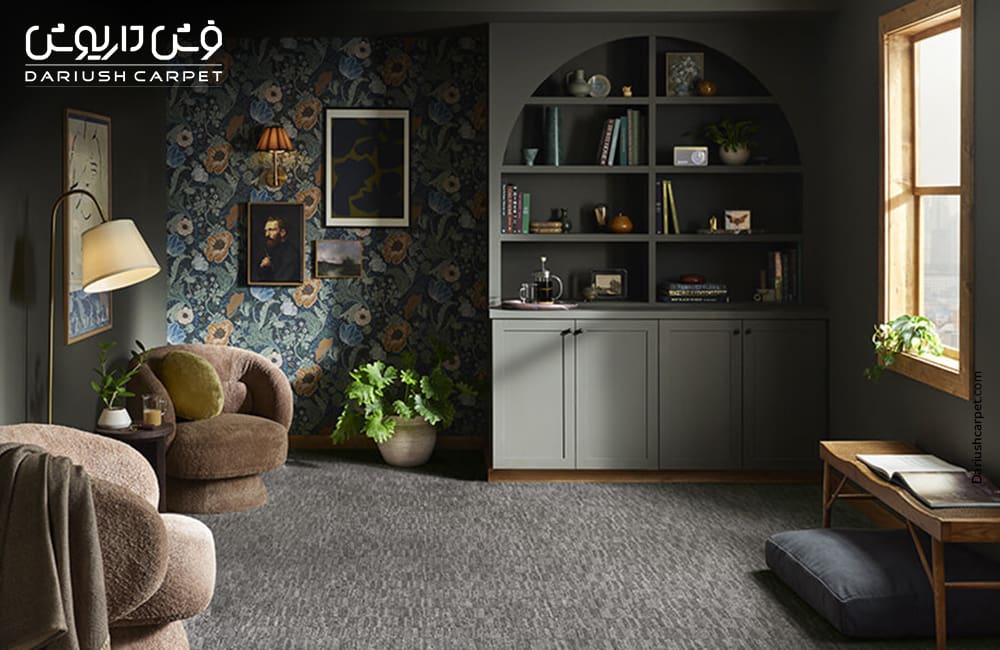
How to Avoid a Cluttered Decor by Choosing the Right Rug
A common interior design mistake is selecting multiple elements that are all highly detailed. If both your furniture and your rug feature intricate designs, no single element will stand out, and the living room may end up looking cluttered or cramped. If you have already purchased your furniture and curtains and are simply looking to replace your rug, pay close attention to the color and the complexity of the pattern. For instance, if your furniture features floral or patterned upholstery, a rug with a simpler, less busy design will create better balance.
Color Balance in Decor: The Secret to Harmonizing Rugs and Furniture
A key principle when choosing a rug color is to consider the existing color palette of the space. Creating a beautiful interior doesn't mean everything has to be the same color; rather, colors should be chosen so that they complement one another. Using two or three primary colors helps create a cohesive atmosphere. This is not a rigid rule, however, and certain design styles may allow for a broader color palette.
The background color of a rug influences how we perceive the space. A rug with a light background can make a room feel more expansive, while darker tones tend to create a sense of intimacy and coziness. Consider the role you want the rug to play: should it serve as a focal point, or should it blend with the furniture and curtains to create a calm, harmonious composition? Answering this question will simplify the selection process.
How Many Colors Should You Use to Avoid a Cluttered Look?
A common question when furnishing a home is: how many colors are appropriate for a decor scheme? The answer to this question depends on the design style, the dimensions of the space, and the homeowner's personal taste; however, limiting the primary color palette to two or three colors is a good starting point for achieving harmony. For instance, if you have chosen a rug with a cream background and blue patterns, you could incorporate the cream tone into your furniture or curtains, while using the blue for cushions or smaller accessories. This creates a cohesive connection between the various elements of the decor without requiring every item to be the exact same color.
In classic and neoclassical styles, a combination of neutral tones creates an elegant and balanced look. In modern design, pairing a simple, neutral base with a bold accent color helps establish a clean, contemporary atmosphere.
Should you choose the rug or the furniture first?
A rug can serve as the starting point for your interior design. Since it typically covers a significant portion of the floor, its background color and patterns offer a strong foundation for defining the overall color scheme of the space. If you have not yet selected your main furnishings, choose the rug first, then determine the colors for your furniture and other items. This approach allows you to draw upon the colors and patterns found in the rug to create harmony throughout the rest of the room.
If you have already purchased your furniture, select a rug that complements its color and style. Keep in mind that not every item needs to share the exact same color or style; in fact, contrast can sometimes make a decor scheme more visually engaging. The key is to maintain balance and ensure that your choices are intentional.
Rugs with a neutral background color; A Flexible Choice
Neutral colors, such as cream or beige, are popular choices for machine-made carpets because they harmonize well with a wide range of colors and decor styles. If you plan to change your furnishings or decor on a seasonal basis, opting for a carpet with a neutral background offers greater flexibility.
How can you prevent your home interior from becoming monotonous?
Neutral colors are a versatile choice, but overusing them can make a space feel lifeless. To strike a balance, you can incorporate colorful elements. For instance, if your furniture and carpets are cream or gray, adding green or blue cushions can introduce variety. Additionally, incorporating houseplants makes the environment more engaging.
Light-colored carpets: A great choice for small homes
Carpets with a light-colored background help make a space appear more expansive. They are an excellent option for smaller homes or rooms with limited natural light. When selecting a light-colored carpet, consider a balance of aesthetics, ambient lighting, and the level of foot traffic the area receives.
How can you create an intimate atmosphere using a cream-colored carpet?
Warm tones—such as deep red (lac) or terracotta shades—add a sense of intimacy and vibrancy to a decor scheme. This is ideal for those who want the carpet to serve as a prominent feature in their living room. Using a cream-colored carpet requires greater care when selecting other decor elements. Keep in mind that combining too many warm colors can make a space feel overly chaotic.
Should you choose a dark or light-colored carpet? How carpet color affects the perceived size of a home
The most important factor when choosing a carpet color is its lightness or darkness. The color of your flooring influences how a viewer perceives the size of a space, as well as the overall mood of the environment. Before making a purchase, consider the home's natural lighting conditions and the colors of your existing furnishings. Carpets with a light-colored background reflect light more effectively, making a room appear more spacious. Dark-colored carpets, by creating contrast, can lend a more formal atmosphere to a space. Naturally, this effect depends on the size of the living area, the amount of natural light, and the overall color scheme of the decor.
When is a dark-colored carpet a good choice?
If your living room is spacious, or if you have used light colors for the walls, a dark carpet creates an attractive color contrast within the interior design. For instance, a navy blue or deep-toned carpet paired with cream-colored furniture creates a striking visual impact. Dark carpets are also a practical choice for high-traffic areas, as they are effective at concealing surface stains. However, dust, light-colored lint, and certain types of dirt tend to show up more clearly on dark backgrounds; therefore, such carpets require regular cleaning.
Light-Colored Rugs for Small, Dimly Lit Homes
If your living area is small or lacks abundant natural light, a rug with a light-colored background—such as cream or beige—can be an excellent choice. When paired with furniture scaled appropriately for the space, these colors help create an open, airy atmosphere. If your flooring is dark, a light-colored rug creates a beautiful contrast, clearly defining the boundary between the floor and other furnishings.
Keep in mind that you can also place a rug with a neutral-toned background over light-colored flooring. For instance, a beige-toned rug on cream-colored stone flooring creates a serene, cohesive look, whereas a navy blue rug can serve as a striking focal point within the decor.
How to Balance Light and Dark Tones in the Living Room
The best results are achieved when the color intensities within a space are well-balanced. If every item in the room is light-colored, the environment can feel monotonous; conversely, an excess of dark elements can make the space feel heavy and dim. To strike a balance, consider using light colors for walls or curtains, paired with a darker-toned rug.
Choosing a Rug Color Based on Decor Style: From Modern to Classic
A simple way to select a rug color is to consider the overall style of your home’s decor. Each design style possesses its own distinct visual characteristics and color palettes. Understanding these traits helps you choose a rug that is not only beautiful but also perfectly harmonious with your home’s interior.
Rugs for Modern Decor
Modern decor typically emphasizes clean lines, structured forms, and neutral color schemes. Products featuring a cream, beige, or other soft-toned background can be an excellent choice.
If you have opted for solid-colored furniture, consider a rug with a geometric pattern or a distinct color palette to break the monotony of the space. Conversely, if other elements in the room feature bold or prominent colors, a rug with a subtle, uncluttered design and neutral tones will create a more harmonious look.
Rugs for Classic Decor
In the classic style, rugs with traditional motifs, *eslimi* (arabesque) patterns, and symmetrical designs typically hold a special place. Colors such as deep red (*laki*), cream, and navy blue pair well with classic furniture and the intricate details characteristic of this style. If your furniture features wood carvings, pay close attention to the level of detail in both the furniture and the rug. Selecting a pattern that complements the design of your furniture ensures the space does not appear cluttered or chaotic.
Carpets for Neoclassical Decor
The Neoclassical style blends classical details with the simplicity of contemporary design. In this style, one can use carpets featuring traditional motifs in neutral tones to strike a balance between authenticity and simplicity. Carpets with cream or gray backgrounds, or those with a "distressed" (vintage-look) aesthetic, are well-suited for this type of interior design.
Carpets for Minimalist Decor
In the Minimalist style, simplicity and the avoidance of unnecessary details are paramount. Consequently, carpets with simpler patterns, neutral colors, and uncomplicated compositions are generally the most appropriate choices.
Carpets for Bohemian
The Bohemian style offers greater freedom in the use of color and pattern. In such a setting, a carpet can become a standout feature, creating a unique look through distinctive motifs.
When buying a machine-made carpet, which is more important: color or quality?
While selecting the right color is a crucial step in the purchasing process, it should not come at the expense of quality. A carpet that complements your home decor is only a truly good choice if it also meets your needs in terms of construction, fiber material, density, weave fineness, and durability.
When shopping, look beyond color and pattern to consider the technical specifications. The material of the pile yarn, the density (knot count/reed), and the required maintenance—all of these factors influence both the appearance and the longevity of the carpet. For instance, a carpet intended for a living room will differ in color, design, and specifications from one chosen for a child’s room or a high-traffic area. A rug with intricate details—which tends to hide dirt and stains better—can be a more practical choice.
Before making a purchase, measure the intended space and consider how the rug’s size will relate to your furniture. Selecting the right machine-made rug is based on three key criteria: harmony with the decor, quality of the weave, and suitability for the family's daily needs.
What should you consider before buying a rug?
To ensure your final choice aligns with your needs and circumstances, keep the following points in mind before purchasing:
- Furniture and curtain colors: The rug should either harmonize with the colors of these items, or be chosen to serve as the focal point of the decor.
- Natural light levels: In homes with limited natural light, a rug with a light-colored background can help the space feel more open and airy.
- Room dimensions: Ensure the rug size is proportionate to the room's area and the arrangement of your furniture.
- Decor style: Choose a classic, modern, or neoclassical rug based on the overall style of your interior design.
- Foot traffic: For high-traffic areas, prioritize durability and ease of maintenance alongside color.
- Rug pattern: If your furniture and curtains feature elaborate designs, opt for a rug with a simpler, less busy pattern; conversely, if the other elements are simple, a classic-style rug can help complete the look.
- Weave quality: Evaluate the technical specifications, fiber material, and manufacturing quality, in addition to the rug's appearance.
- Lighting conditions: If possible, view the rug under different lighting conditions; the lighting in a store, natural daylight, and evening artificial lighting can all affect how the rug's colors appear. Paying attention to key points reduces the likelihood of a poor choice and helps ensure you purchase an attractive, functional product that meets your expectations and needs.
Concluding Remarks
To wrap up, we must address the question: how do you choose the best color for a rug in your home?
Selecting a rug with the right background color is a crucial decision in interior design. A rug can add warmth to a space, tie various colors together, and serve as the focal point of a room’s layout. Achieving the desired result goes beyond just picking a color; it also requires ensuring harmony between the rug, other elements of the decor, and the overall interior style.
If your home features small or dimly lit spaces, opt for rugs with a light-colored background. For a cozy, intimate atmosphere, consider warm tones like deep red or brick-red. Rugs with neutral backgrounds are a practical choice for those who value flexibility in their interior design.
You can explore a wide range of products—featuring diverse patterns and color combinations—on our website and Instagram page. There, you can also view images of the rugs within actual interior settings to get a clear idea of how they look.
If you need guidance on selecting a rug color that complements your home’s decor style, please feel free to contact us at 09139992039 for a free consultation before making your purchase.