



What are the principles of machine carpet care?

Carpets are considered a key element of home décor; beyond their aesthetic appeal, they represent a significant portion of the total furnishing cost. Consequently, proper care for machine-made carpets is crucial, as it helps preserve their appearance and quality while extending their lifespan.
Factors such as dust accumulation, heavy foot traffic, improper furniture placement, direct sunlight, moisture, and various spills are among the primary causes of carpet wear and tear over time.
The good news is that these issues can be prevented by adopting a few simple habits. In this article from the Dariush Carpet Magazine, we explore essential tips for maintaining machine-made carpets—covering everything from vacuuming and stain removal to washing, selecting the right size, and proper storage for rolled-up carpets.
Why is caring for machine-made carpets important?
Carpets are exposed to various elements throughout the day. Over time, dust and fine particles penetrate the fibers; combined with foot traffic, this leads to fiber abrasion and deterioration.
Additionally, spills involving liquids, food, or staining agents can leave permanent marks. Prolonged exposure to direct sunlight can also affect the carpet's colorfastness.
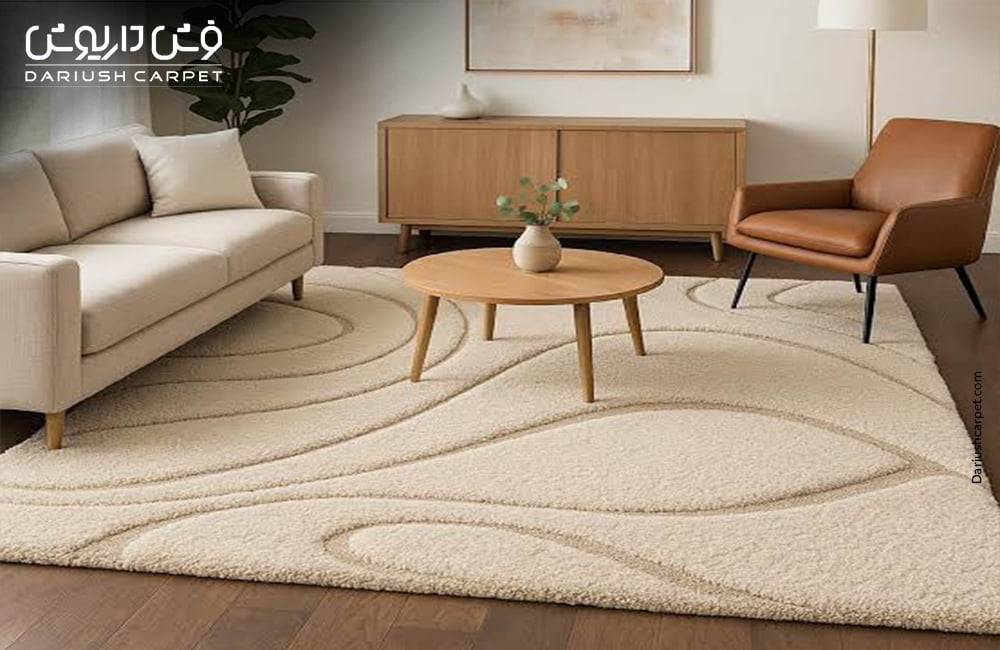
Regular maintenance ensures that:
The carpet’s appearance is preserved for a longer period.
Dust accumulation within the fibers is prevented.
The risk of permanent staining is reduced.
Fiber matting and wear are minimized.
The need for premature washing is reduced.
The carpet's useful lifespan is extended.
5 Key Principles for Preventive Carpet Care
The best approach to carpet maintenance is prevention. Following a few simple tips can significantly extend the lifespan of your carpet.
Use a Doormat at the Entrance
A large amount of dust and dirt enters the home via the soles of shoes. Placing a suitable doormat at the entrance can reduce the amount of dirt and grime tracked inside. Remember to clean the doormat regularly, as it can otherwise become a source of dirt transfer to the carpet.
Avoid Walking on the Carpet with Shoes
Shoe soles can carry dirt, grit, and fine particles that become embedded in the carpet fibers as you walk. It is best to restrict wearing shoes in areas where carpets are used as flooring. This simple measure can significantly reduce both soiling and wear and tear.
Rearrange Furniture Periodically
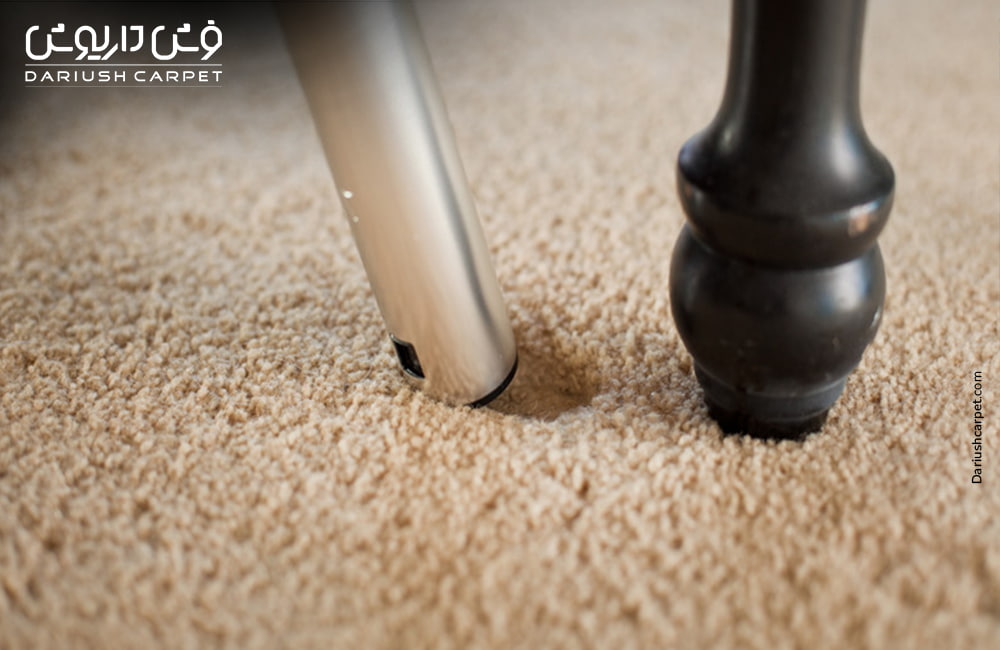
Heavy furniture legs resting in the same spot for extended periods can crush the carpet pile. Periodically moving furniture prevents pressure from concentrating on a single point, allowing other areas to recover their original shape. When moving furniture, do not drag it across the carpet, as this can damage the fibers and the carpet's structure.
Vacuum the Carpet Regularly
Regular vacuuming is one of the most important aspects of machine-made carpet maintenance. If dust remains trapped in the fibers for too long, it penetrates deeper into the pile. Therefore, regular vacuuming helps prevent dirt accumulation and minimizes wear.
Clean up spills immediately
If liquids or food spill on the carpet, blot the stain right away; the longer a stain remains, the more likely it is to set.
Important note: Before using any cleaning agent, check the manufacturer's instructions and test the product on a small, inconspicuous area of the carpet first.
How does fiber type affect carpet maintenance?
Fiber type is a crucial factor to consider during both purchase and maintenance. Synthetic fibers—such as acrylic and polyester—differ in terms of durability, colorfastness, resilience, and cleaning requirements. In contrast, products from the Kartal collection, made with viscose and acrylic fibers, require special care during washing; therefore, a single cleaning and maintenance method cannot be applied to all carpets.
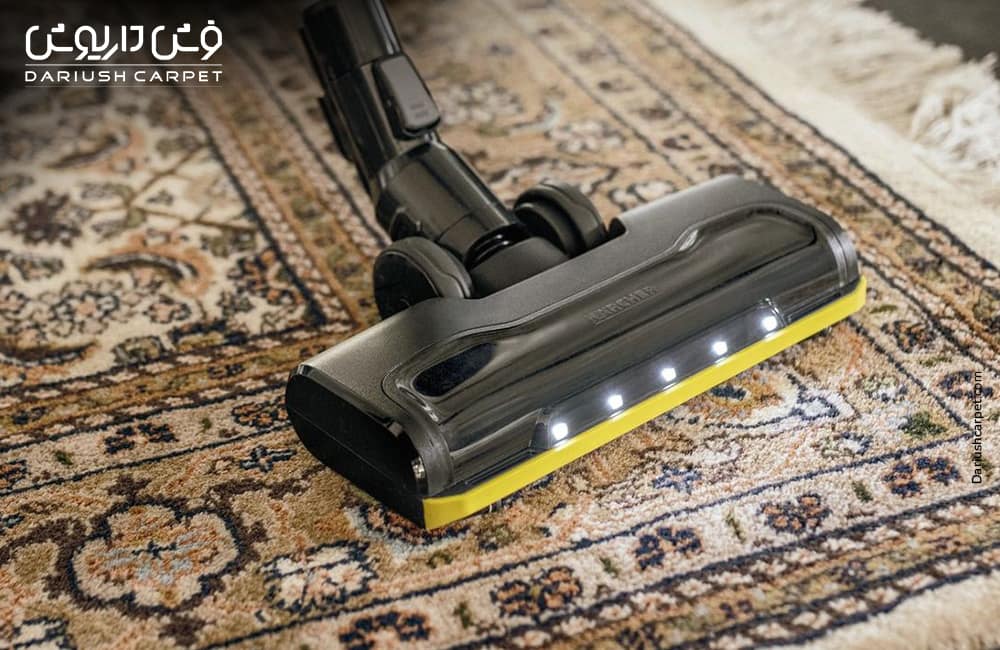
Do a carpet's reed and density affect its cleaning?
Reed and density are other important factors for machine-made carpets, as they influence both the carpet's appearance and its physical structure.
The denser the knots and the more compact the structure, the less surface dirt penetrates deep into the carpet. However, this does not mean that a dense carpet requires less vacuuming; regular and proper vacuuming remains one of the most important steps in preventing dust accumulation.
How should a machine-made carpet be vacuumed properly?
Proper vacuuming is not just about frequency; the technique used is also important.
For the best results, follow these tips:
- Do not limit vacuuming to just the high-traffic areas of the carpet.
- Do not overlook corners and the spaces near furniture.
- Avoid applying excessive pressure when moving the vacuum over the carpet.
- Adjust the direction of the vacuum according to the carpet's pile.
- If possible, carefully lift the carpet to clean the back and remove any accumulated dust.
- Avoid striking the carpet forcefully.
How often should the carpet be vacuumed?
The frequency of vacuuming depends on foot traffic, the number of family members, the presence of children or pets, and the location of the carpet.
In general:
Low-traffic bedrooms: About once a week
Living rooms with moderate traffic: Several times a week, depending on usage
Kitchens and high-traffic areas: More frequently throughout the week
Homes with children or pets: More frequent cleaning is required, depending on the level of soiling.
Therefore, there is no single fixed rule for every home. The goal is to prevent dust and dirt from remaining trapped in the fibers for extended periods.
Choosing the Right Size for a Machine-Made Carpet
A common mistake when buying a carpet is selecting a size that is disproportionate to the intended space. A carpet that is too small can make the room look unbalanced, while one that is too large may bunch up or fold over. Before making a purchase, measure the space and select a carpet size that complements the furniture arrangement.
Choosing a Carpet for the Living Room
In the living room, first determine the placement of the furniture and the coffee table. For an ideal layout, you can choose a carpet large enough for the main furniture pieces to sit upon; alternatively, if you opt for a smaller carpet, ensure that at least the front legs of the sofas rest on it. The key is to ensure the carpet size harmonizes with both the room's dimensions and the furniture arrangement.
Consider the traffic flow
When selecting rug dimensions, take the flow of movement into account. Leaving sufficient space between the rug, walls, and furniture makes moving around easier and gives the room a more organized appearance.
Consider the shape of the room
Matching the rug's shape to the room's shape can significantly enhance the décor's aesthetic appeal. A rectangular rug is usually a good choice for a rectangular room, whereas a square or even a round rug—depending on the décor—can be selected for a square space.
What is the proper way to wash a machine-made carpet?
Carpet cleaning should be performed according to the fiber type and the manufacturer's instructions. Improper washing, the use of excessive detergent, or failure to dry the carpet completely can damage the fibers, cause discoloration, or lead to unpleasant odors.
You can follow these steps to clean your carpet:
1. Vacuum the carpet first.
Thoroughly remove dust and surface particles from the carpet before washing.
2. Treat stains individually.
Identify any stains on the carpet and use the appropriate cleaning method based on the type of stain.
3. Use a suitable detergent.
If a deep clean is required, use a detergent appropriate for the specific type of carpet and its fibers. Using too much detergent does not necessarily result in a cleaner carpet and may cause detergent residue to remain in the fibers.
4. Remove excess water and moisture.
Removing excess moisture is one of the most important steps in the cleaning process. The carpet must be dried completely after washing; lingering moisture can lead to unpleasant odors and even mold growth.
How should a rolled-up carpet be stored?
If you are not using a carpet for a period of time, proper storage is crucial. Note that you should never roll up a carpet while it is damp or dirty.
For long-term storage of a rolled-up carpet:
First, clean the carpet thoroughly.
Ensure it is completely dry.
Roll the carpet up properly.
Store it in a dry, clean, and well-ventilated area.
Avoid exposing the carpet to moisture.
Do not place the carpet directly on a damp floor or in a contaminated environment.
Avoid placing heavy objects on the rolled-up carpet.
It is also best to ensure the storage area is free from insects and other potential hazards.
What factors are most likely to damage machine-made carpets?
Many instances of carpet damage result from a few simple, recurring mistakes.
The most significant factors include:
- Prolonged, direct exposure to sunlight
- Spilling colored substances or liquids on the carpet
- Placing very hot objects on the carpet
- Constantly walking on the carpet while wearing shoes
- Dust accumulation and neglecting to vacuum
- Dragging heavy furniture across the carpet
- Improper washing methods
- Residual moisture remaining after washing
Do not scrub the stain vigorously: Harsh rubbing can spread the stain and damage the fibers.
Do not roll up a wet carpet immediately: Trapped moisture is a common cause of unpleasant odors and mold growth.
Do not drag furniture across the carpet: When rearranging your decor, lift the furniture or use a proper moving method.
Do not overuse cleaning agents: Unsuitable detergents or excessive amounts can damage the carpet.
Avoid prolonged exposure to direct sunlight: Continuous sunlight can affect the carpet's color.
Conclusion
To wrap up, let’s answer the question: How can you extend the lifespan of a machine-made carpet?
Caring for a machine-made carpet is not difficult; simply incorporating a few easy habits into your home cleaning routine makes a difference. Using doormats, keeping outdoor shoes off the carpet, regular vacuuming, prompt stain removal, periodically moving furniture, avoiding direct sunlight, and proper washing techniques are key measures that help extend the carpet's lifespan.
Ultimately, factors such as fiber type, carpet quality, foot traffic, and location influence the maintenance approach. Therefore, to ensure your carpet retains its appearance and quality for years, it is best to tailor your care routine to the specific characteristics of the carpet itself.