



The cause of carpet pile and the type of carpet pile

If you have recently purchased a new machine-made carpet, you may notice tiny fibers accumulating on your clothes or furniture; naturally, the first question that arises is: why does the carpet shed?
Shedding is an issue many buyers encounter, particularly with new machine-made carpets. However, in many cases, this shedding is a normal occurrence that diminishes over time and does not necessarily indicate poor quality.
Factors such as the fiber material, the spinning process, yarn quality and twist, the heat-setting process, and even how the carpet is used and maintained can all influence the extent of shedding.
In this article by Dariush carpet, we explore the causes of shedding in machine-made carpets, discuss whether it indicates poor quality, and look at what can be done to resolve the issue.
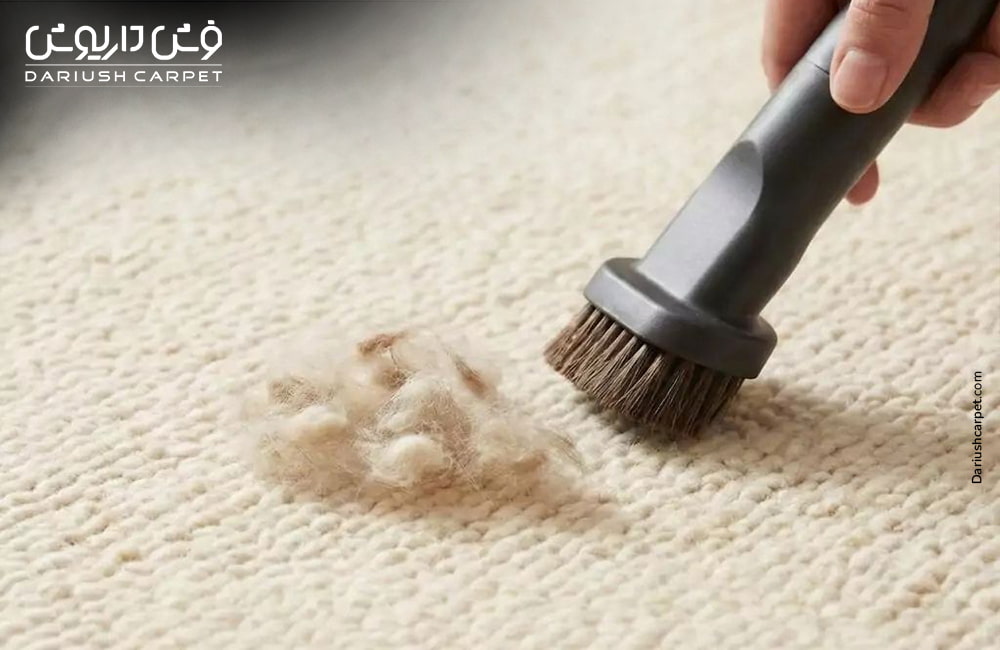
What causes machine-made carpets to shed?
There can be various reasons for shedding in machine-made carpets, and it is usually impossible to attribute the issue to a single factor.
1. Carpet Yarn Material
One of the most significant factors influencing the amount of shedding is the type of fiber used to produce the carpet yarn.
Certain fibers—particularly acrylic—may release some loose fibers during the initial period of use. This phenomenon is more noticeable in new carpets and typically diminishes over time with proper use.
Therefore, when purchasing a machine-made carpet, it is advisable to consider not only the carpet's appearance but also the type of yarn, the quality of the fibers, and the yarn production process.
2. Fiber Quality
The carpet fibers must be of high quality during the spinning process. If the fiber spinning process is not carried out correctly, the likelihood of surface fibers coming loose and causing shedding (fuzzing) increases.
Therefore, yarn quality is a key factor in explaining why a carpet sheds.
3. Yarn Not Being Heat-Set
Heat-setting is a crucial process in the production of certain yarns used for machine-made carpets.
During this process, the carpet yarn undergoes controlled thermal treatment to enhance its properties. A key benefit of heat-setting is the reduction of linting and fiber shedding during the carpet's use.
Therefore, when purchasing a carpet, you can ask the seller or manufacturer about the type of yarn used and whether it has been heat-set.
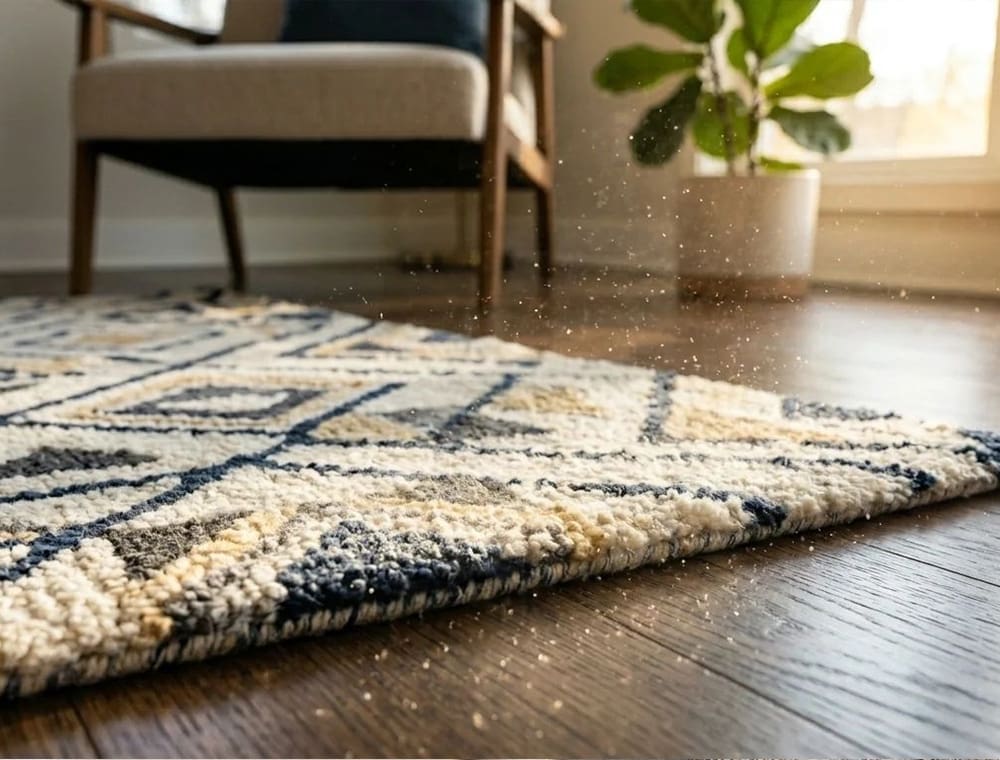
4. Carpet Usage and Foot Traffic
Fuzzing is not limited to new carpets. Carpets that have been in use for a long time may also experience fuzzing due to friction, heavy foot traffic, and fiber wear.
In areas of the home with high foot traffic, in particular, constant pressure and friction can cause some surface fibers to detach.
Read this guide to learn how to care for modern rugs.
5. Carpet Construction Quality
The quality of raw materials, the yarn production process, and the settings of the weaving machines can all influence the carpet's final performance.
Therefore, if a carpet exhibits excessive or unusual shedding—or if the shedding persists for an extended period—it is advisable to examine the carpet's quality and the conditions under which it was manufactured.
Is it normal for a new carpet to shed?
It is quite common for new carpets to shed. Shedding can be a normal occurrence during the initial days—or sometimes even weeks—of use. During the manufacturing process, loose surface fibers may remain trapped among the yarns; these fibers are gradually removed through vacuuming and regular use.
Therefore, if your new carpet sheds a small amount, there is no need for concern. However, if the shedding is excessive, persists for an extended period, or involves a noticeable loss of carpet fibers, it is advisable to have the yarn quality and carpet construction inspected.
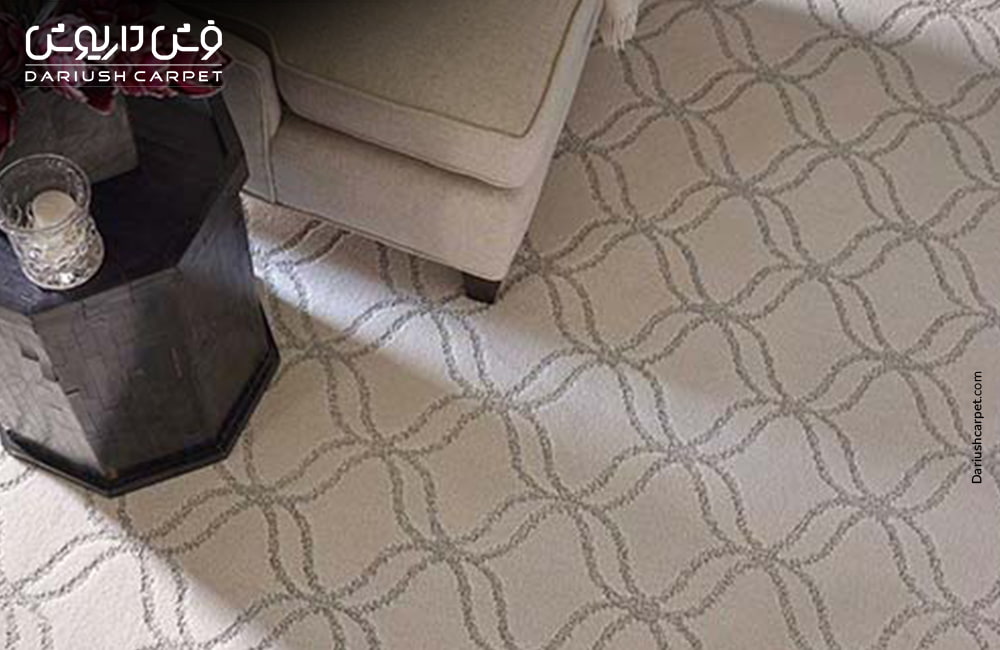
Is carpet shedding a sign of poor quality?
No; the mere fact that a carpet sheds cannot serve as a reliable indicator of its quality.
To evaluate the quality of a machine-made carpet, one must consider various factors such as fiber material, reed and density, weave type, color quality, and the spinning process. Particularly with new carpets, a limited amount of shedding may occur during use.
How can you get rid of carpet lint?
If you are looking for a way to deal with linting in machine-made carpets, the best approach is to allow the loose fibers and lint to naturally detach from the surface of 1500-reed carpets over time.
1. Vacuum the carpet regularly.
Regular vacuuming is one of the simplest and most effective ways to remove loose carpet fibers. During the initial weeks, frequent vacuuming helps clear these loose fibers from the surface more quickly. It is recommended to avoid applying excessive pressure while vacuuming, as this could damage the carpet's knots.
2. Use a brush or comb designed for carpets
In some cases, suitable brushes can be used to gather surface lint. However, one must avoid using abrasive tools or methods that cause the carpet pile yarns to be pulled or snagged.
3. Use a damp cloth with caution
A slightly damp cloth can pick up some surface lint; however, wetting the rug—especially a modern collection piece—is not recommended. Excessive moisture can damage the rug's pile and backing, creating conditions that lead to unpleasant odors or other issues.
4. Use a lint roller
Adhesive rollers, typically used to remove hair and lint from clothing, are also effective for picking up small amounts of surface lint. However, for larger areas, a vacuum cleaner is usually a more practical option.

5. Avoid using improper methods
To deal with carpet fuzzing or shedding, it is best to avoid methods such as using abrasive objects, razor blades, very harsh brushes, or unsuitable cleaning agents.
Such actions may damage the carpet's fibers and appearance rather than resolving the issue.
How can the shedding of acrylic carpets be reduced?
Due to their specific properties, acrylic fibers are widely used in the production of machine-made carpets. However, a common issue associated with acrylic yarn is the tendency to shed during the initial period of use. One industry-standard method to mitigate this problem is "heat-setting" the yarn.
During the heat-setting process, the yarn is subjected to controlled heat to enhance its properties and reduce shedding. Consequently, the quality of the yarn and its preparation prior to weaving play a crucial role in the consumer's experience with the carpet.
Read this guide to learn more about the best yarns for machine-made carpets.
When is carpet shedding considered abnormal?
While some shedding from a new carpet can be normal, you should investigate the matter more seriously if the following conditions occur:
The shedding is excessive and unusual.
The amount of shedding does not decrease after a significant period of use.
A noticeable amount of fiber comes loose from the carpet surface during vacuuming.
The appearance of the carpet surface undergoes a perceptible change over time.
The shedding is accompanied by damage to or detachment of the carpet yarns.
In such cases, it is advisable to raise the issue with the carpet retailer or manufacturer.
Do a carpet's reed and density affect shedding?
Reed and density are key specifications of machine-made carpets; however, it cannot be said that higher reed and density values automatically guarantee less shedding.
The extent of shedding depends on a combination of factors, such as yarn material, spinning quality, yarn twist, heat-setting, weaving quality, and how the carpet is used. Therefore, when selecting a high-quality carpet, it is best to consider reed and density alongside other technical specifications.
How can you minimize shedding when buying a machine-made carpet?
If carpet shedding is a concern for you, keep the following points in mind when making a purchase:
Ask the seller about the type of yarn used in the carpet.
Inquire whether the yarn has undergone the "heat-set" process.
Consider the quality and reputation of the manufacturer.
Check the carpet's technical specifications, such as reed count (*shaneh*) and density.
Do not judge the carpet's quality solely based on appearance or price.
Ask the seller for advice on carpet maintenance and cleaning.
Conclusion
We must now address the question: what should be done about carpet shedding? The shedding of machine-made carpets can stem from various factors, such as fiber type, the spinning process, yarn heat-setting, weaving quality, and the extent of the carpet's usage.
If you have just purchased your carpet, a certain amount of initial shedding is usually normal and will gradually decrease with regular vacuuming. Furthermore, shedding alone is not a definitive indicator of poor quality; one must consider the full range of technical specifications and manufacturing standards.
At Daryoush Carpet, we strive to provide our customers with high-quality products by using premium raw materials and adhering to standard manufacturing processes. If you have questions regarding machine-made carpet shedding or selecting the right carpet, please feel free to contact the experts at Daryoush Carpet for advice. You can reach us for consultation at 09139992039.