




7 Mistakes When Buying a Machine-Made Carpet That Will Cause Regret Later
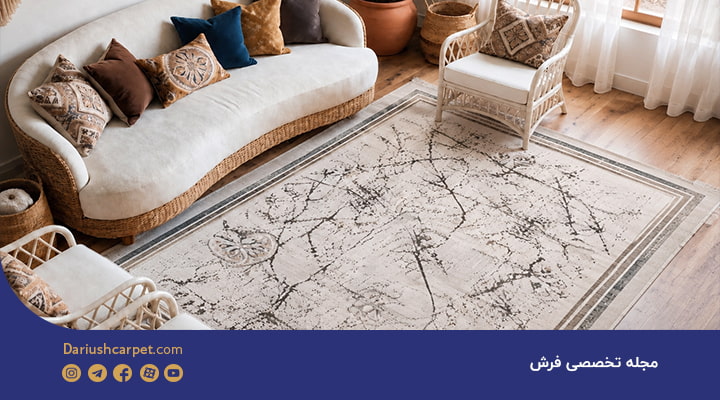
Buying a machine-made carpet may seem simple at first. You find a design and color you like, check the price, and make your purchase.
In reality, choosing the right carpet involves much more than appearance.
A carpet may look beautiful in a showroom but turn out to be unsuitable for your home. The color may look different under your home's lighting, the material may not match your expectations, or the size may simply be too large or too small for the room.
With so many technical terms to consider—including carpet density, knot count, yarn type, pile height, weight, and weaving quality—choosing the right carpet can quickly become confusing.
In this guide, we look at **seven common mistakes people make when buying a machine-made carpet** and explain how you can avoid them.

1. Choosing a Carpet Based Only on Design and Color
One of the most common mistakes is choosing a carpet based entirely on how it looks.
Of course, design and color are important. A carpet plays a major role in the overall appearance of a room. However, a beautiful carpet is not necessarily the right carpet for your space.
For example, a light-colored carpet with a delicate design may look elegant in a formal living room, but it may not be the most practical choice for an area with heavy foot traffic.
Lighting is another important factor. A carpet may look one way under showroom lighting and completely different in your home. Natural light, wall colors, furniture, and curtains can all affect how the final color appears.
Before Choosing a Design and Color, Consider:
* Your interior design style
* The size of the room
* The amount of natural light
* The color of your furniture and curtains
* The level of foot traffic
* How the room will be used
* How easily stains and dirt may become visible
Key Takeaway
A carpet is a good choice when it does more than look beautiful—it should also suit the real conditions of your home and everyday life.
2. Assuming a Higher Knot Count Always Means a Better Carpet
Carpet knot count is an important technical specification, but it is often misunderstood.
In machine-made carpets, a higher knot count generally allows for finer and more detailed designs. High-density carpets can also have an appearance that is closer to a traditional handmade rug.
For example, **1200- and 1500 knot carpets** typically offer finer patterns and more intricate details than lower-density options such as 700 knot carpets.
However, this does not automatically mean that a higher knot count is the best choice for every home.
If you are buying a carpet for a high-traffic area, a family home, or a children's room, other factors may be equally—or even more—important. These include:
* Yarn quality
* Pile height
* Durability
* Weaving quality
* Comfort underfoot
Instead of asking only, **“How many knots does this carpet have?”**, consider the complete set of technical specifications.
3. Ignoring Carpet Density
Another common mistake is focusing only on knot count while ignoring carpet density.
These are two different specifications and should not be confused.
Generally, **knot count refers to the number of knots across the width of the carpet**, while **density relates to the number of knots along its length**. Together, these specifications provide a clearer picture of the carpet's construction and level of detail.
When comparing two carpets, look at several specifications rather than just one.
Compare the Following:
* Knot count
* Carpet density
* Yarn material
* Pile height
* Carpet weight
* Weaving quality
* Type of weaving machine
* Color quality and clarity
Why Does This Matter?
A buyer may hear that a carpet is “1500-knot” and assume that every aspect of its quality is superior.
That is not always the case.
The overall quality of a machine-made carpet depends on a combination of factors. Knot count alone is not enough to determine whether a carpet is the right choice for your needs.
4. Buying a Carpet Without Checking the Yarn Material
The type of yarn used in a carpet is one of the most important factors to consider.
Yarn can directly affect:
* Softness
* Shine and appearance
* Durability
* Pile recovery
* Resistance to everyday use
* The overall look of the carpet
* Shedding and maintenance requirements
Different fibers have different characteristics. For this reason, it is better to review the actual specifications of a carpet rather than relying only on general labels such as **“premium quality”** or **“high-quality carpet.”**
Don't Judge a Carpet by Softness Alone
Some buyers make their decision simply by touching the carpet.
While a soft carpet can feel luxurious, softness alone does not determine overall quality.
For a better evaluation, consider the yarn type, density, pile height, construction, and other technical specifications together.

5. Choosing the Wrong Size for Your Room
Even the most beautiful and well-made carpet can look out of place if the size is wrong.
A common mistake is choosing the carpet first and thinking about the room size afterward. A better approach is to measure your space before you start shopping.
What Should You Consider?
In a living room, think about:
* The position of the sofa and other furniture
* The size of the coffee table
* Walking areas and pathways
* How much of the floor you want the carpet to cover
In a bedroom, consider:
* The position and size of the bed
* The amount of visible floor around the bed
* The layout of the room
In a dining area, make sure the carpet is large enough to accommodate both the table and chairs.
A Practical Tip
Before buying, use newspaper, paper sheets, or masking tape to mark the approximate dimensions of the carpet on the floor.
This simple method can help you visualize how the carpet will fit into the actual space before making your final decision.
6. Buying the Cheapest Carpet Without Understanding Why It Costs Less
A lower price does not always mean better value.
In the machine-made carpet market, two carpets may look very similar at first glance but have significantly different prices.
This difference may be caused by:
* Different types or qualities of yarn
* Different knot counts and densities
* Different weaving technologies
* Differences in manufacturing quality
* Brand reputation
* Warranty or after-sales service
When comparing prices, do not focus only on the final number.
Instead, ask yourself what you are actually getting for the price.
A good purchase is not necessarily the cheapest option—it is the option that offers the best balance between quality, performance, design, and budget.
7. Ignoring Your Lifestyle and How the Carpet Will Be Used
The final—and one of the most important—mistakes is choosing a carpet based only on personal taste without considering how it will be used.
A carpet suitable for a quiet home with low foot traffic may not be the right choice for a busy family with young children or pets.
Similarly, a carpet that works well in a formal living room may not be suitable for a child's bedroom.
Ask Yourself These Questions Before Buying:
* Which room will the carpet be used in?
* How much foot traffic does the area receive?
* Are there young children or pets in the home?
* Is the carpet likely to be exposed to food or drink spills?
* Is your priority appearance and fine detail, or everyday practicality?
* How long do you expect to use the carpet?
Answering these questions before you buy can help you make a much more informed decision.
A Simple Checklist Before Buying a Machine-Made Carpet
1. Decide Where the Carpet Will Be Used
Living rooms, bedrooms, kitchens, children's rooms, and dining areas all have different requirements.
2. Determine the Right Size
Measure your space before looking at designs and models.
3. Set Your Budget
Having a clear budget will help you narrow down your options and avoid comparing products that do not fit your price range.
4. Review the Technical Specifications
Do not focus only on design and color.
Check important details such as:
* Knot count
* Carpet density
* Yarn material
* Pile height
* Weaving quality
* Other product specifications
5. Compare More Than One Carpet
Comparing several options makes it easier to evaluate differences in quality, features, and price.
6. Choose a Reliable Seller
A reputable seller should be able to provide clear and accurate information about the carpet's specifications and help you understand the differences between available options.
7. Don't Make Your Final Decision Based Only on a Discount
A large discount does not automatically mean a better deal.
Before making your purchase, consider the carpet's actual quality, materials, specifications, and suitability for your home.
Final Thoughts
Choosing the right machine-made carpet requires more than simply finding a design you like.
By understanding the technical specifications and comparing the differences between available products, you can make a more confident and informed decision.
The best carpet for your home is one that combines **the right design, size, material, quality, and level of durability for your lifestyle and space**.
Taking the time to compare these factors before you buy can help you avoid common mistakes—and enjoy your carpet for years to come.